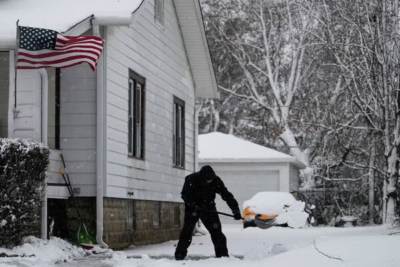
As much as you might look forward to cozy sweaters, roaring fires, and snow-kissed scenery, winter can also bring serious storms that could impact your safety and property. It can lead to power outages, roof and structural damage, flooding, hazardous debris, and frozen or burst pipes.
The more prepared you are for severe thunderstorms and cold blizzards, the safer, more secure, and more comfortable you will feel during the conditions. If you want to survive a storm with ease this season, here are four tips to protect your home every winter.
- Inspect and Repair Your Roof
Before winter arrives, hire a professional to inspect your roof to identify any loose, missing, or cracked shingles. You might not realize the damage last winter caused to your roof, as it may have one or more issues following heavy snow, ice dams, or strong winds.
It is important to rectify any problems immediately to prevent water leaks and dampness this winter. If your roof is old or is curling, cracking, or buckling, it might be time to replace it. If so, consider contacting metal roof installers to arrange a metal roofing installation, as its durable, long-lasting materials are highly resistant to severe weather conditions, such as wind and snow.
- Secure Your Exterior
As storms can cause high winds, freezing ice storms, and heavy rain or snowfall, it is essential to secure your exterior as much as possible. The first thing you should do is trim any overhanging or dead branches from your trees that could snap during a storm, especially if they are near your home, driveway, or power lines.
Next, tie down all patio furniture and trampolines, secure trash cans, and store any garden items or toys in a sturdy shed or garage. You should also spend a little time tightly screwing in loose fixtures, including satellite dishes and antennas.
- Prepare for a Power Outage
As storms often cause power outages, it is wise to prepare for one to stay warm, safe, and secure.
You could:
- Invest in a standby or portable generator only operate it outside, away from windows and doors
- Create an emergency power outage kit, which should include a power bank, flashlights, batteries, battery-powered lanterns, blankets, water, and non-perishable foods.
- Save key contact details for your energy supplier, a tradesperson, and your insurance company.
It is important to avoid using candles during a storm, as they can be a fire risk. Instead, follow the above tips to improve your visibility and safety during a storm.
- Seal All Windows and Doors
If you have drafts around your doors and windows, a winter storm could cause your home’s temperature to plummet. Ensure you and your loved ones remain warm inside by draft-proofing the property with weatherstripping, caulk, and draft stoppers.
Remember to check your window frames and exterior walls for any cracks or gaps to stop cold air from entering. Also, insulate your attic to prevent warm air from escaping and help lower your energy bills.